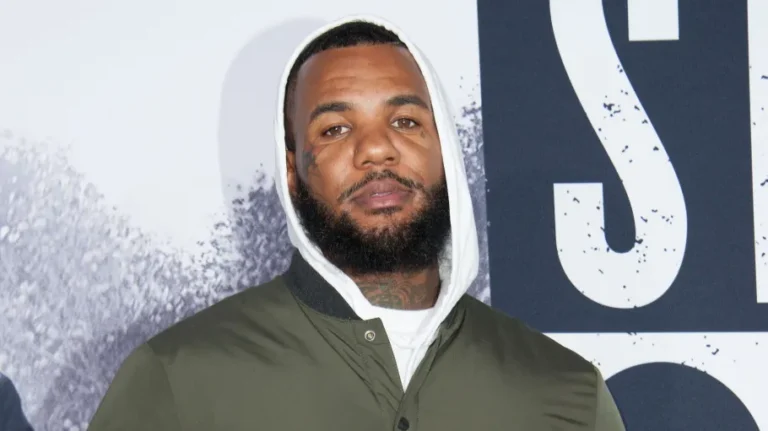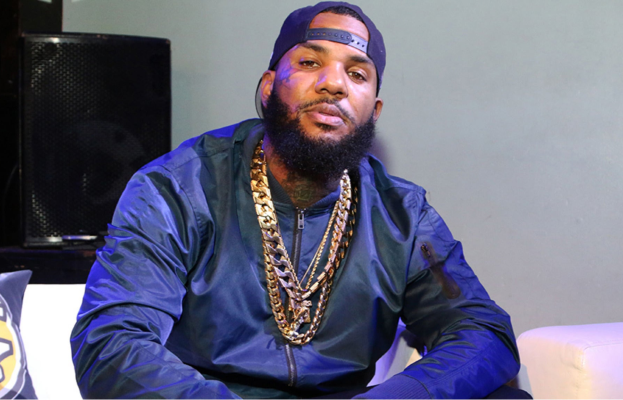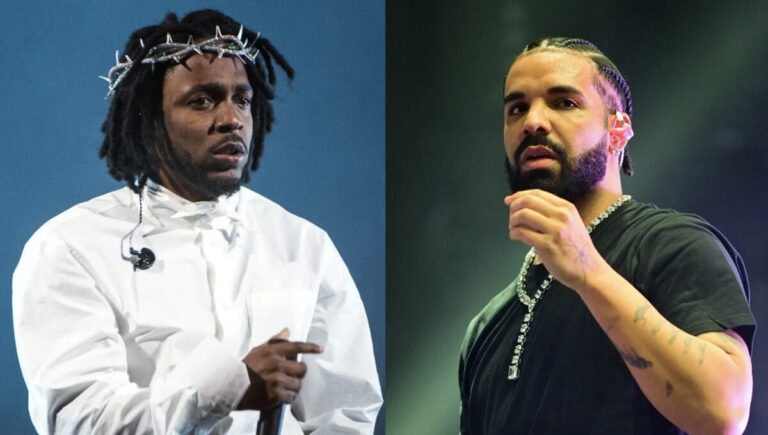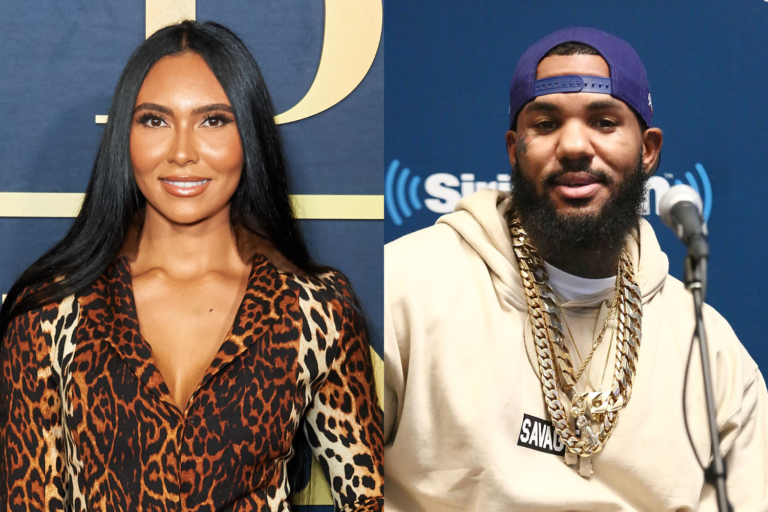

The Game is once again addressing why he didn’t attend Kendrick Lamar’s highly celebrated “Pop Out” concert in Los Angeles — and his explanation is stirring fresh debate.
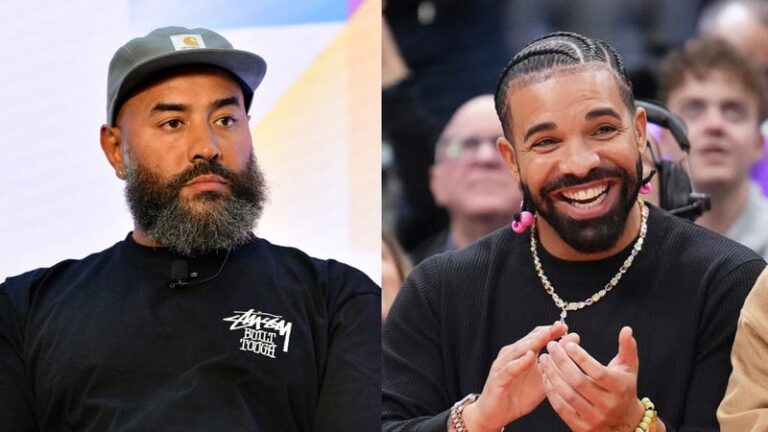
Appearing on the Back On Figg podcast, The Game offered a more detailed account of his decision, saying his absence was intentional rather than a matter of being excluded. According to him, longstanding street tensions made showing up a potential liability during what was meant to be Kendrick’s moment.
“I sat it out on purpose,” he said. “It’s too much gang politics with me when I come somewhere. It was ns at the ‘Pop Out’ that I don’t f* with. So why go to the ‘Pop Out,’ bring homies, [and] get into a confrontation when the n*a is having a great moment?”
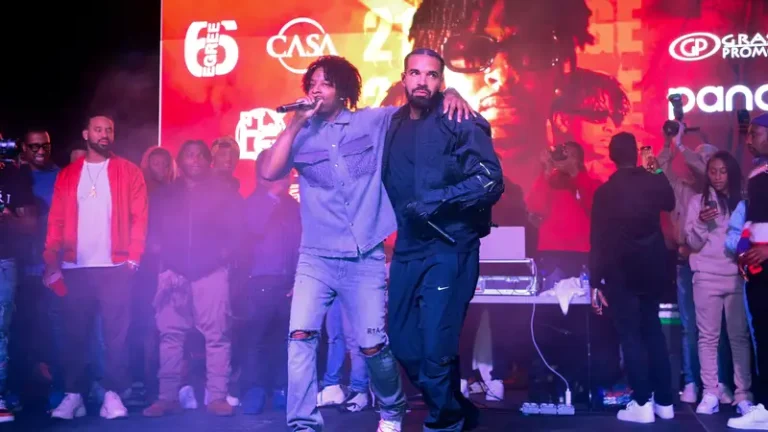
The hosts pushed back, noting that Kendrick’s “Pop Out” was widely viewed as a unifying moment across Los Angeles, bringing together artists and neighborhoods that historically haven’t always aligned. Game acknowledged that perspective but stood firm on his reasoning.
“All it take is one n***a to get out of pocket,” he continued. “That’s what comes with me. What you mean, come by myself? I’m not doing that… I’m not gon’ let nothing happen to me. If something happens to me, whoever did it is getting smoked.”
Fans Question the Timeline
The new explanation has caused friction among fans, largely because it appears to differ from earlier comments about the situation. In the past, Game dismissed rumors surrounding his absence, while Wack 100 suggested he was never part of the plan to begin with.
What remains unclear — and what fans continue to debate — is whether Kendrick’s team formally invited The Game to attend or perform, whether an invitation was declined, or whether Game simply chose not to engage at all. None of those details have been publicly confirmed.
Despite the speculation, The Game made it clear he holds no animosity toward Kendrick Lamar and supports the significance of the event. He also emphasized that his decision wasn’t about sides in broader rap rivalries, but about personal safety and avoiding unnecessary distractions.
For now, the questions surrounding the “Pop Out” linger — less about Kendrick’s intent, and more about how history, politics, and perception continue to shape moments of unity in Los Angeles hip-hop.